
Oil Tank Removal in Boyertown, PA and New Tank Installation
TPS Heating & Cooling handles oil tank removal in Boyertown, PA, along with tank replacement and new installations for oil-heated homes nearby. Call (610) 277-7975 to talk through your tank.
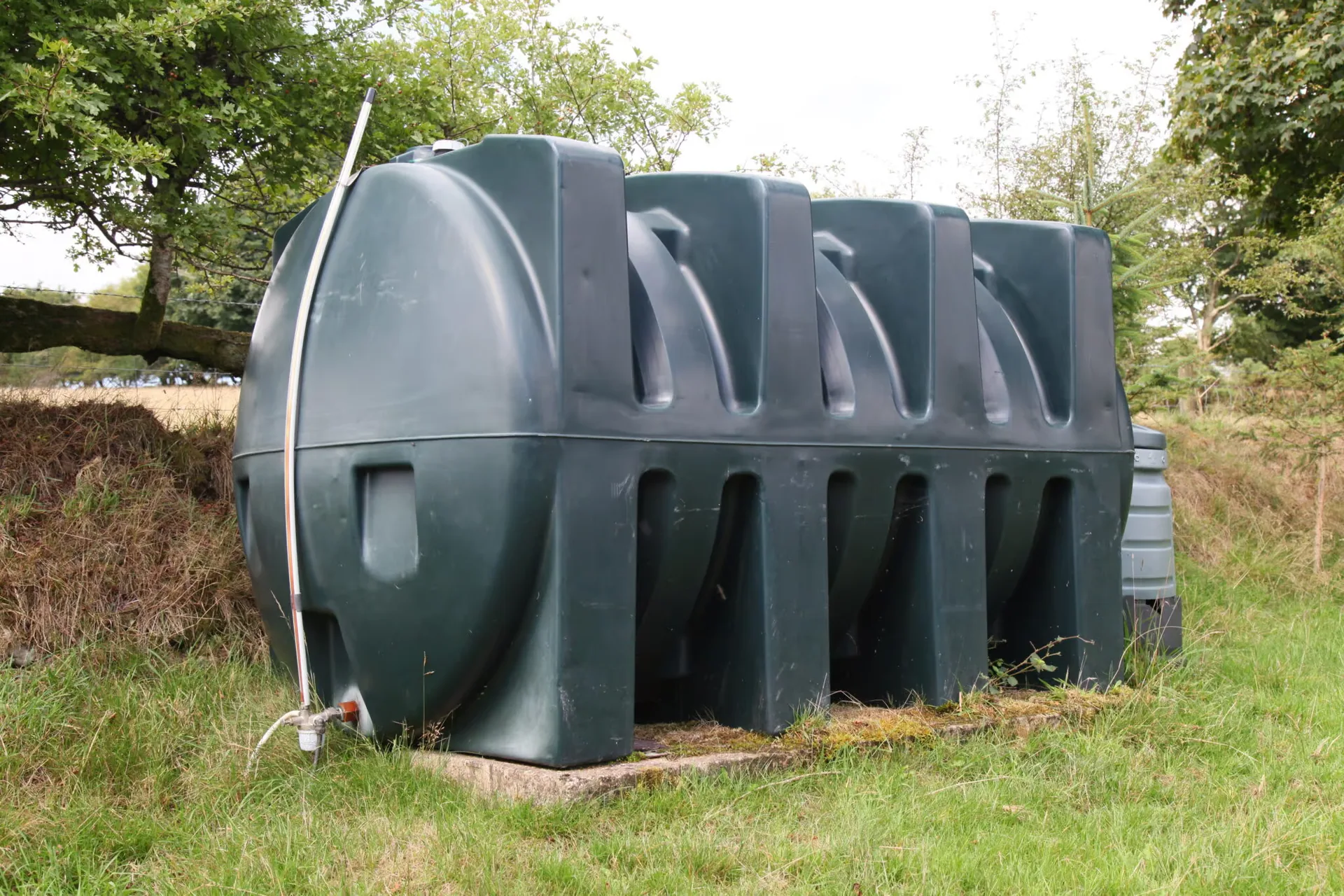
Signs an Oil Tank Is Near the End of Its Life
Steel oil tanks corrode slowly, often from the inside out, as water condenses and settles beneath the oil. By the time trouble shows on the outside, the inside wall may already be thin. Have the tank checked if you see any of these:
For a buried tank, the warning signs are harder to see. Unexplained jumps in oil use, oil odors in the yard or basement, or water in the fuel can all suggest a problem underground. A tank that leaks costs far more to deal with than planned oil tank removal in Boyertown, PA on your own schedule.
- Rust, flaking paint or wet spots on the tank, especially along the bottom
- Weeping or damp seams, or oil stains on the floor below
- A strong oil odor in the basement or around an outdoor tank
- Bent, rusted or unstable legs, or a tank that leans
- Repeated oil filter clogs from sludge and water in the fuel
How an Oil Tank Project Works
Tank work touches your heat, your basement and sometimes your yard, so planning comes before any pumping or cutting. Rules for removal and closure can involve local or state requirements, and those are reviewed for your property at the start.
Assess the Tank and Its Location
We look at the tank's condition, its size, how it is connected to the burner and how it can be reached or brought out.
Review Options and Requirements
You get a clear choice of removal, replacement or both, with the cost of each and any permits or inspections that apply.
Pump Out, Clean and Remove
Remaining oil is pumped out, the tank is cleaned of sludge, and the old tank is cut or carried out for disposal.
Set the New Tank and Restore Heat
A new tank is set, piped and filled, the fill and vent lines are connected, and the burner is restarted and checked.
Oil Tank Replacement Before a Leak Starts
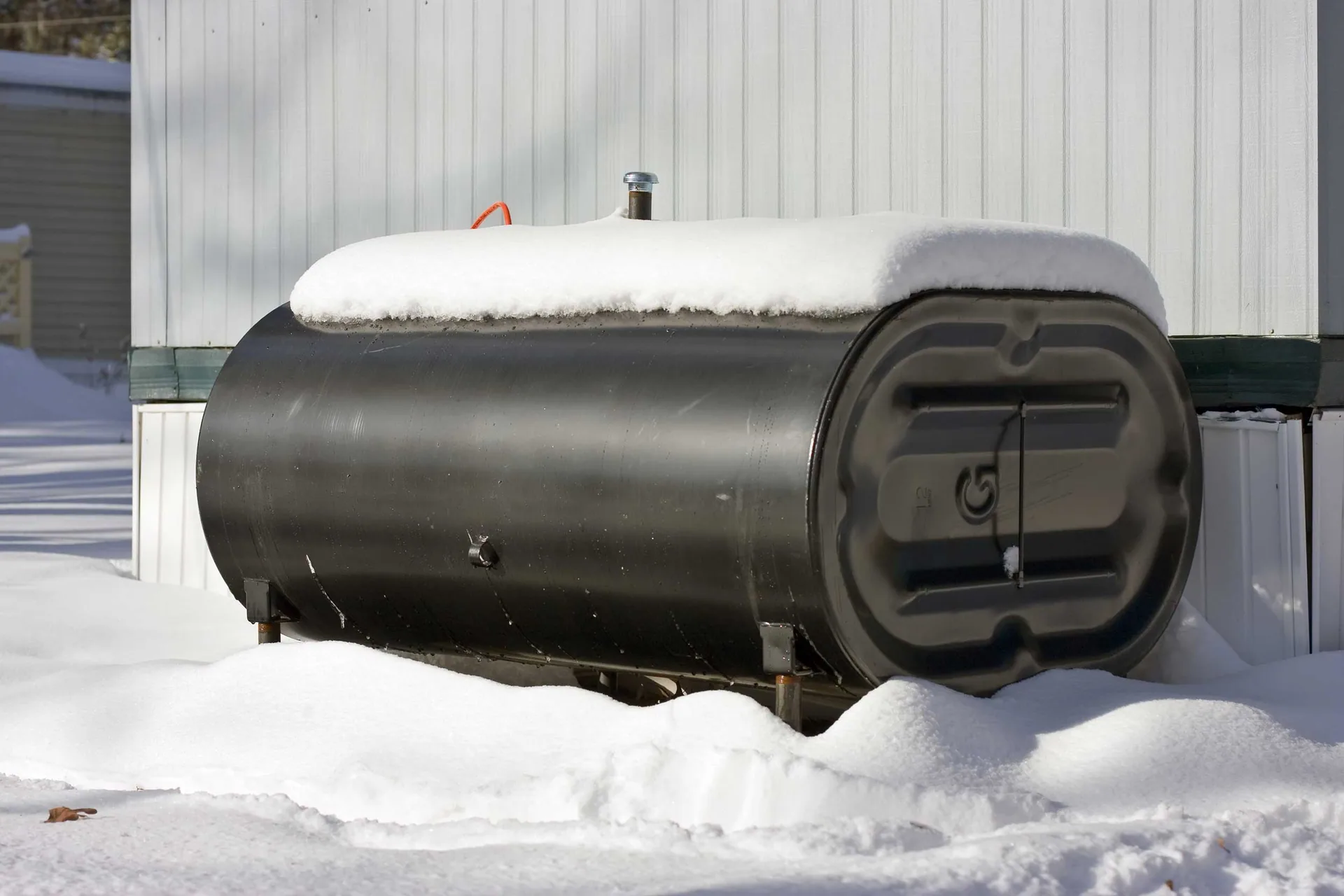
The best time for oil tank replacement is before the old tank gives out. A steel tank that has stood in a damp basement for decades can look solid and still have thin spots inside, and replacing it on your own terms is far easier than cleaning up after oil reaches the floor or the soil.
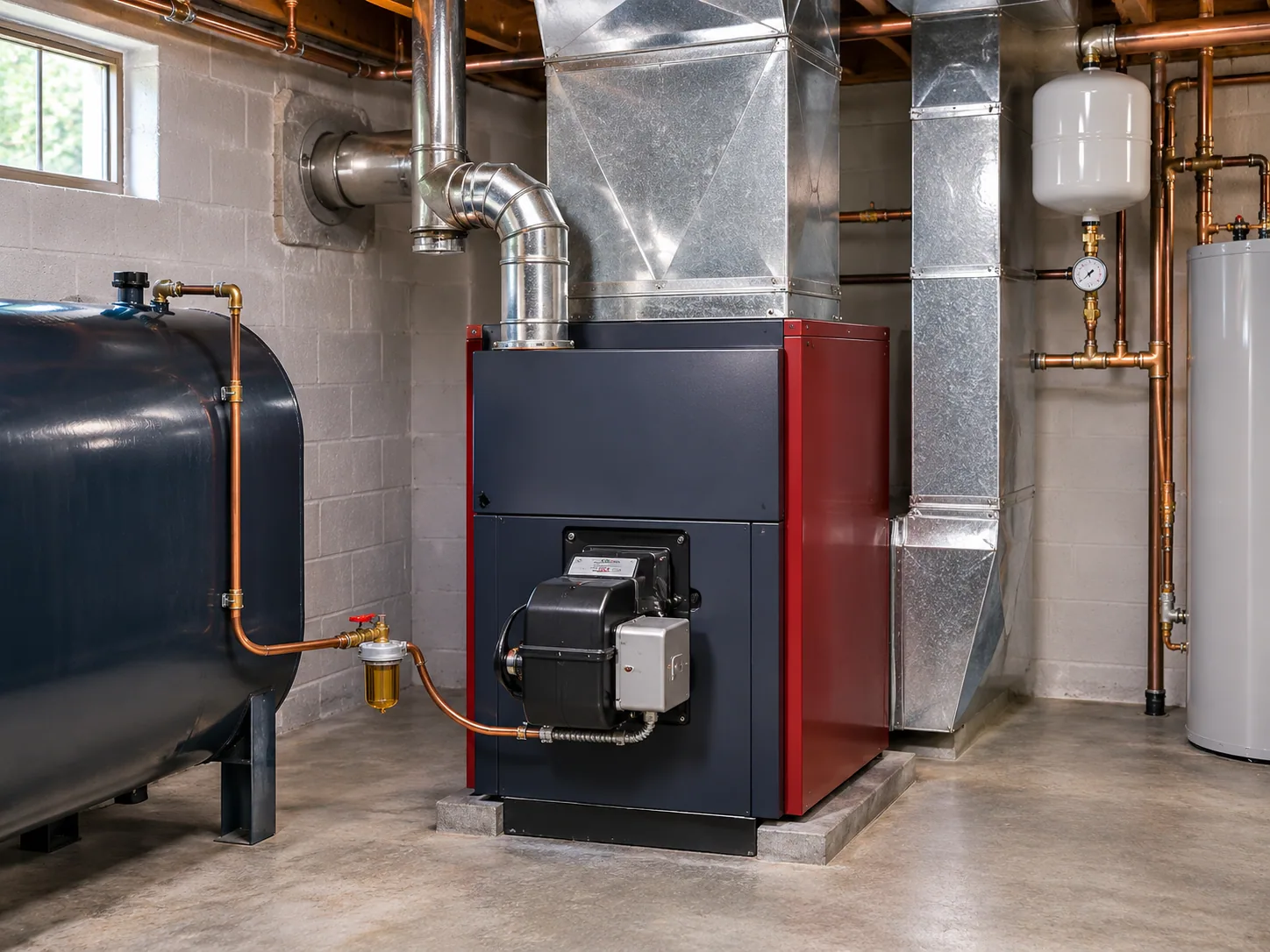
Replacement is also a natural fit with other heating work. If the furnace or boiler is being replaced, the tank, the fuel line and the filter are worth reviewing at the same time. Many older installations still use a buried copper fuel line under the basement slab, which can corrode out of sight, and a new tank is a chance to run the line where it can be seen. Before your first fill on a new tank, plan the timing with your fuel oil delivery so the house is never left without heat for long.
Underground Oil Tank Removal and Closure
Buried tanks were common in this region for decades, and many are still in place, some in use and some long forgotten. Steel underground tanks cannot be inspected the way a basement tank can, which is why many owners choose underground oil tank removal before a problem forces the issue.
A buried tank can be dug up and removed, or in some cases cleaned and closed in place, depending on the site and the rules that apply. Rules for tank removal and closure can involve local or state requirements, and they vary with the property and the tank, so the approach is confirmed before work begins. A tank that comes up during the sale of a home deserves early attention too, since buyers, inspectors and lenders often ask about it. Planning ahead gives you room to compare options instead of making a rushed decision near closing.
Oil Tank Installation Choices for Your Home
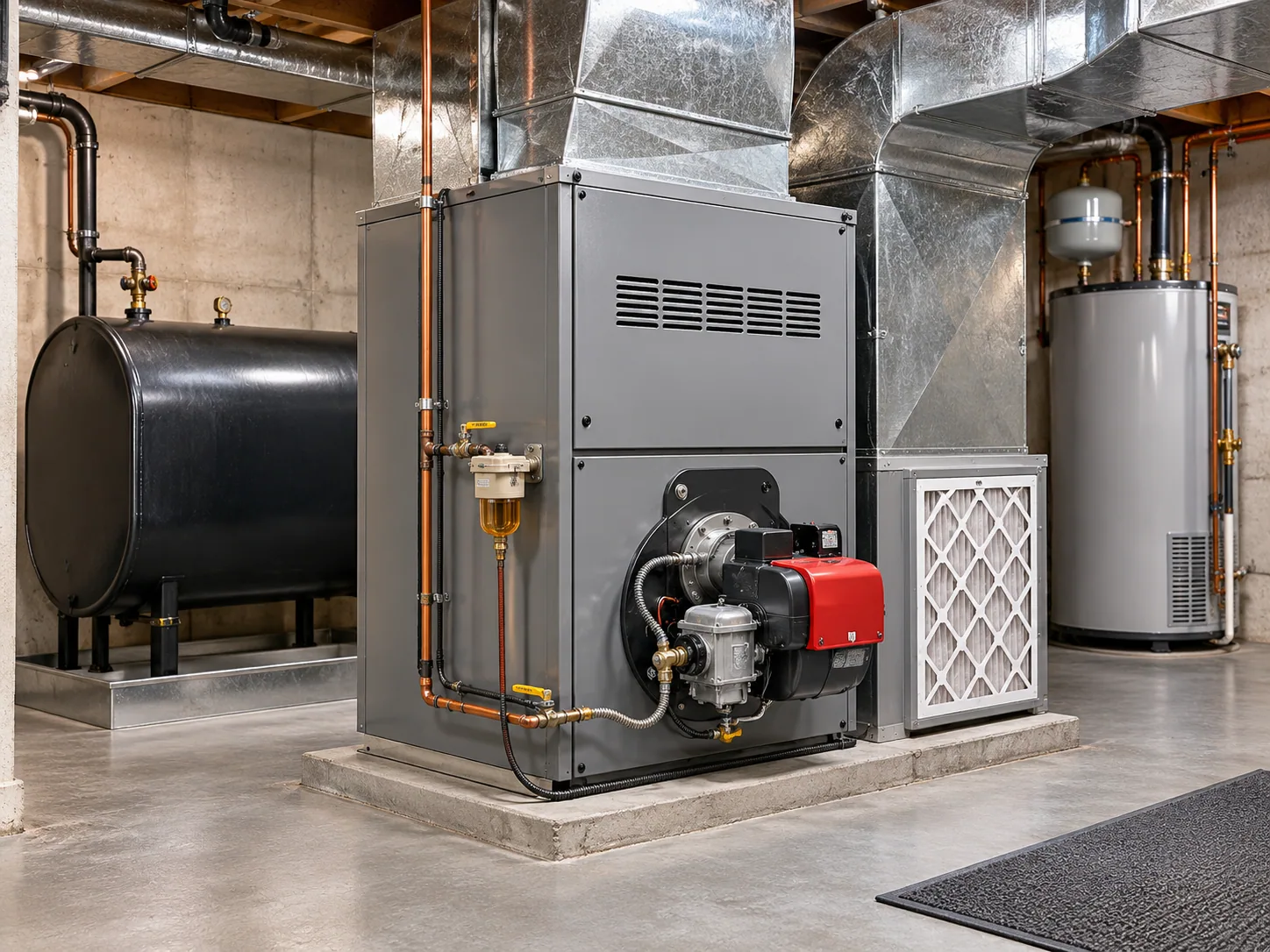
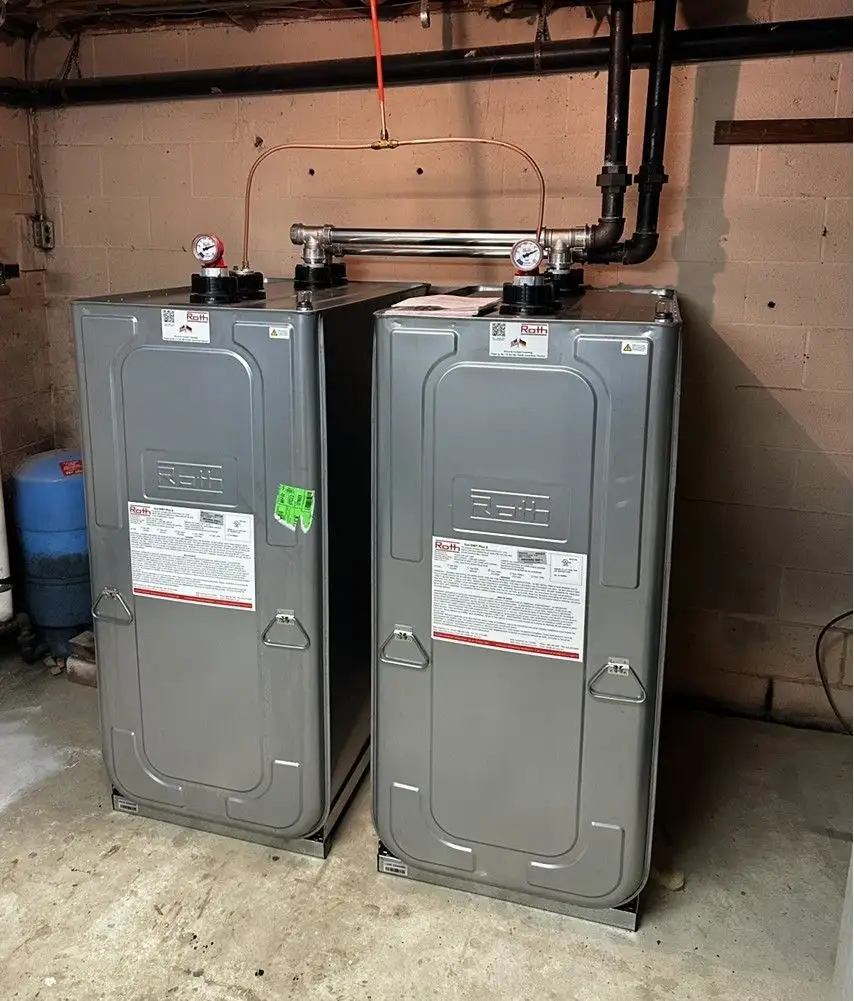
A new oil tank installation starts with where the tank will live. Indoor basement tanks are protected from weather and easy to check, while outdoor tanks free up basement space but face cold, sun and moisture. The right spot also depends on how the fill and vent pipes can reach an outside wall and how the fuel line will run to the burner.
-
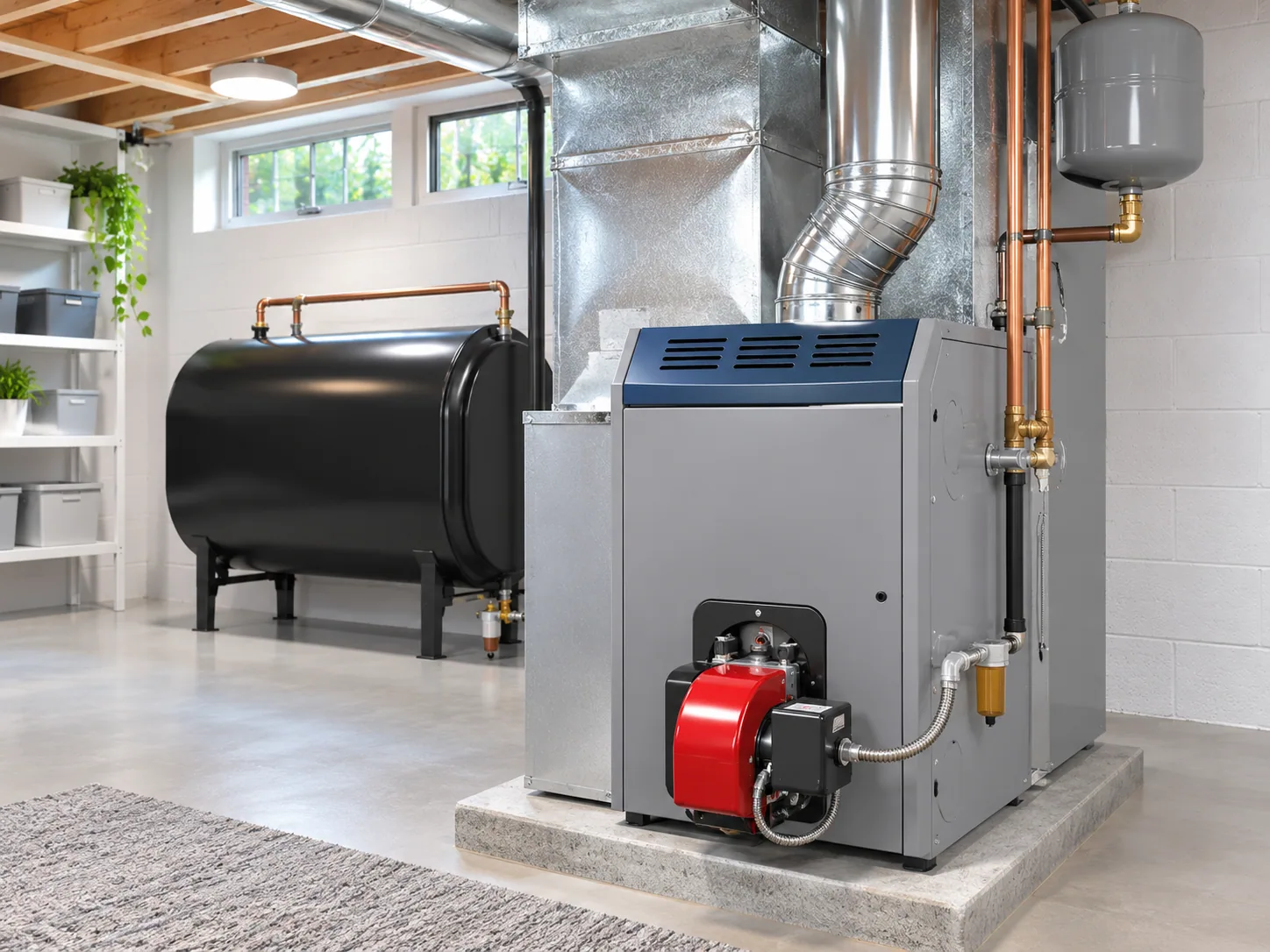
The tank itself matters too. Single-wall steel tanks are the traditional choice, while double-wall tanks and models with a corrosion-resistant inner shell add protection against leaks. Size should match how much oil the house uses and how much room is available. We walk you through the choices, explain what each costs, and set the tank level, secure and properly vented, with a working gauge and a clean connection to your oil boiler service or furnace equipment.
What Drives the Cost of Tank Removal and Replacement
Tank projects vary widely, so the price of oil tank removal in Boyertown, PA comes after a visit to see the tank and the access. A basement tank near a bulkhead door and a buried tank under a driveway are very different jobs.
- Whether the tank is in the basement, outdoors or underground
- Access through stairs, doorways or the yard
- How much oil and sludge remain in the old tank
- The size and type of the new tank, if one is installed
Permits, inspections and any testing required for your property can also affect the total. We explain each of those costs up front, so you know what the job involves before you agree to it.
Why Trust TPS With Oil Tank Removal in Boyertown, PA
A tank job goes best with a contractor who also understands the burner it feeds. TPS Heating & Cooling has 25 years of experience with oil heating systems, is a licensed contractor and answers the phone 24 hours a day, 7 days a week.
-
The business is husband-and-wife owned and based in Frederick, PA. The owner is involved in every estimate, looks at your tank in person and tells you plainly whether it needs replacing now or can wait. You get all the reasonable options with their costs, and no one pressures you into work your home does not need. That straightforward approach to oil tank removal in Boyertown, PA is why customers come back and send their neighbors and family to us.
Oil Tank Work From Gilbertsville to Pennsburg
Oil tanks sit in basements, garages and backyards all across the towns we serve, from older houses near the Boyertown borough line to rural homes along the Perkiomen Valley. Many of those tanks are original to the house and have never been replaced.
Our area includes Gilbertsville, Pennsburg, Green Lane and Palm, Collegeville and Schwenksville and Boyertown with Bechtelsville and New Berlinville, along with the rest of our service areas. Tank work fits alongside the full range of heating and cooling services we provide for oil-heated homes. Whether your tank sits in a Gilbertsville basement or under a lawn near Green Lane, the same local team handles oil tank removal in Boyertown, PA and the towns around it.
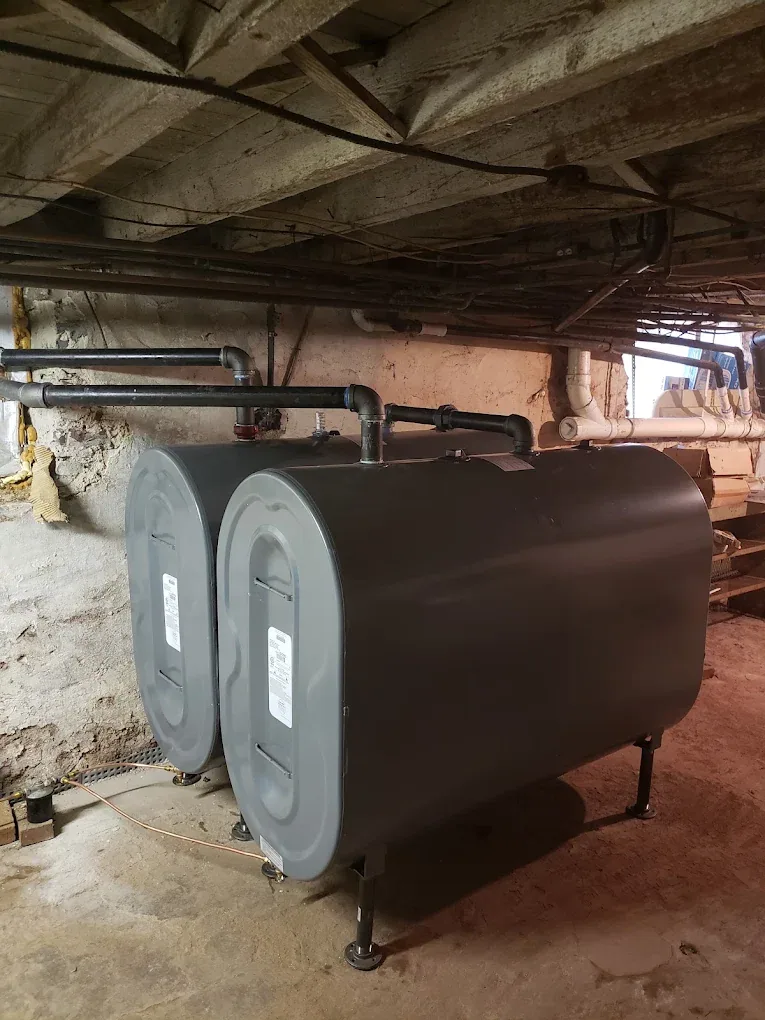
Heating, Cooling, Fuel Oil and Hot Water Services
Every service rests on the same promise: an accurate assessment, all available options with what each costs, and no pressure to upgrade when a repair will do. That promise covers all heating and cooling services in Boyertown, PA and the towns nearby, whatever the fuel or the age of the equipment.
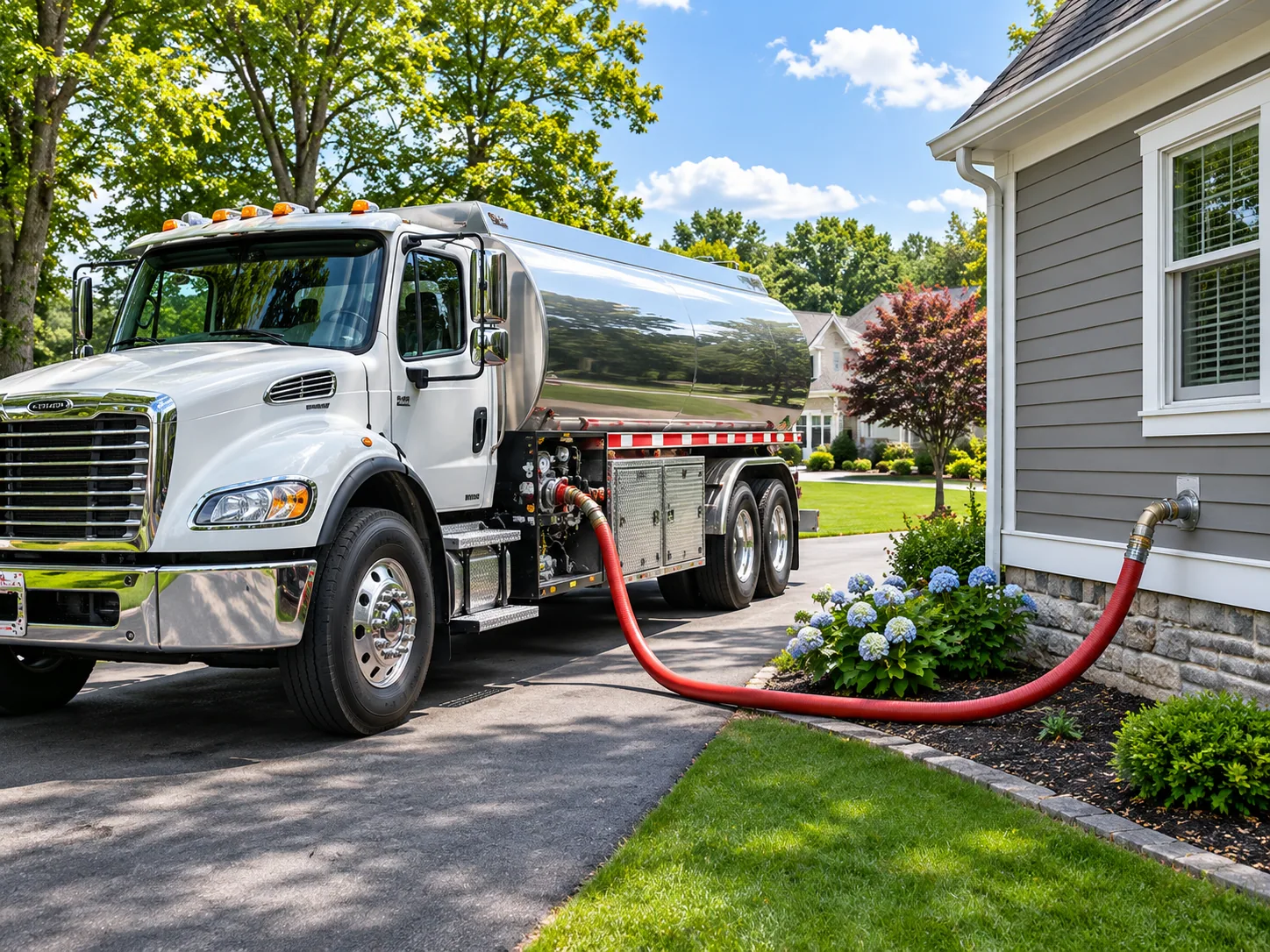
Fuel Oil Delivery
TPS Heating & Cooling handles fuel oil delivery in Boyertown, PA and nearby towns in Berks and Montgomery counties.
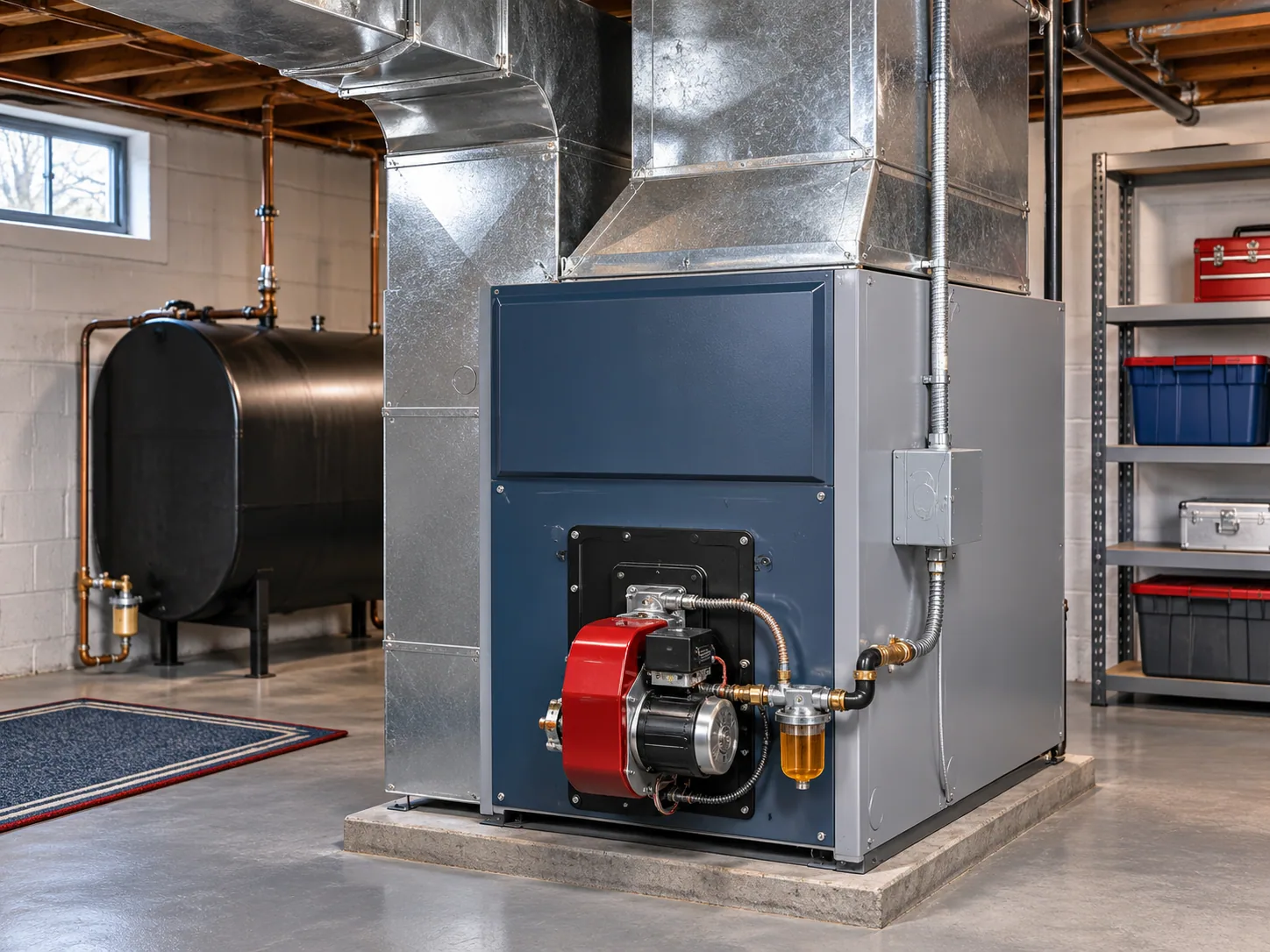
Oil Furnace Services
TPS Heating & Cooling provides oil furnace service in Boyertown, PA and surrounding towns, from yearly tune-ups to repairs and full replacements.
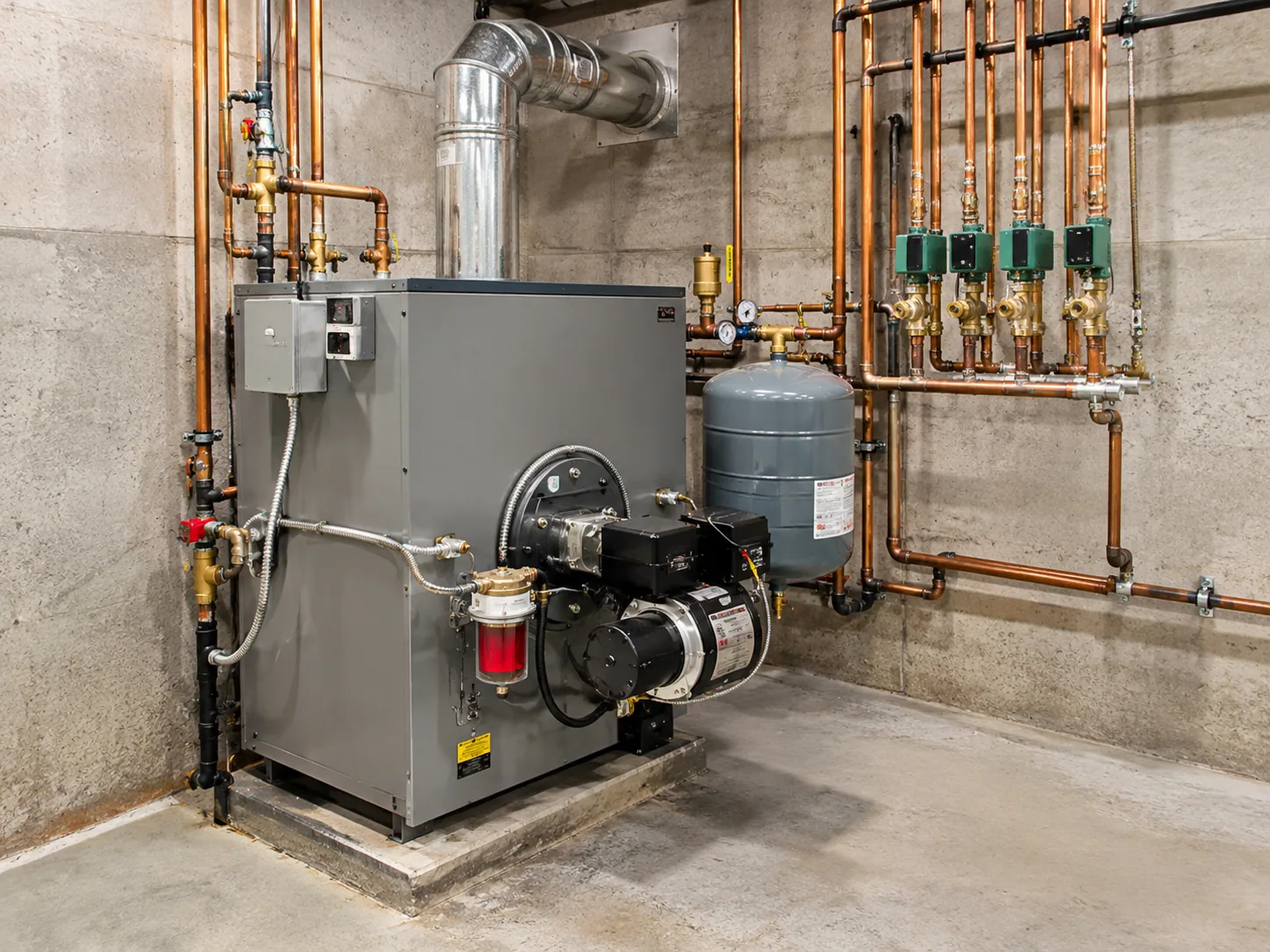
Oil Boiler Services
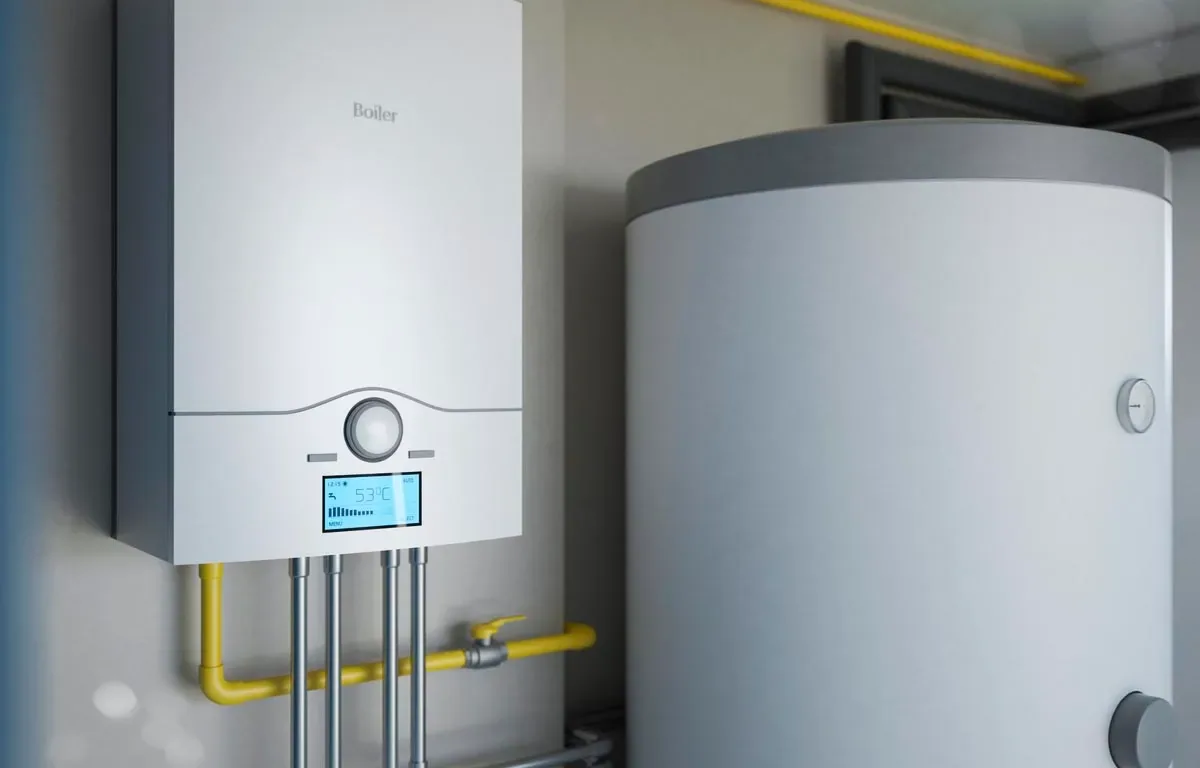
TPS Heating & Cooling offers oil boiler service in Boyertown, PA and nearby towns for hot water and steam systems. Call (610) 277-7975 about maintenance, a repair or a new boiler.
Gas Furnaces and Gas Services
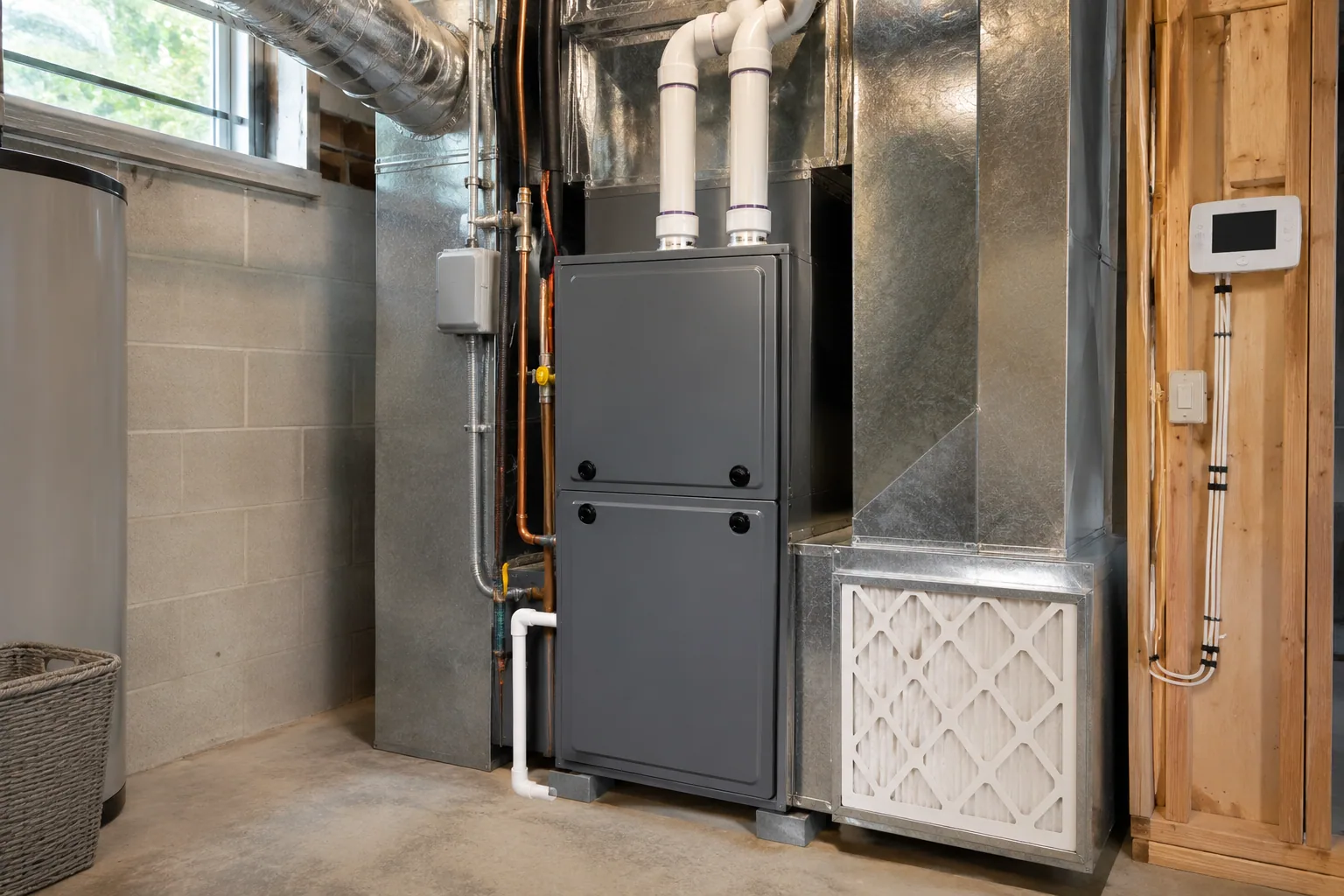
TPS Heating & Cooling provides gas furnace service in Boyertown, PA, from quick repairs to new furnaces for natural gas homes. We are open 24/7. Call (610) 277-7975.
Answers About Oil Tank Removal and Replacement
Steel oil tanks can rust from the inside as condensation settles at the bottom. Replacing an aging indoor, outdoor or buried tank on your own schedule is far easier than dealing with a leak.
What happens to the oil left in my old tank?
Usable oil can often be pumped out and transferred to the new tank, provided it is clean enough to burn. Oil mixed with sludge and water from the bottom of an old tank is not worth reusing and should be handled separately. Once the tank is empty, it is cleaned so it can be cut apart and removed for disposal.
Will I be without heat while the tank is replaced?
A basement tank swap is usually planned so the heat is off for as short a time as possible, often only part of a day. Scheduling the work outside the coldest weeks makes it easier still. When the new tank is set and filled, the burner line is bled and the system is restarted and checked before the job is finished.
Do I need to remove an underground oil tank before selling my home?
It depends on the property, the tank and the rules that apply, which can involve local or state requirements. Even when removal is not strictly required, buyers, home inspectors and lenders often ask about a buried tank and may want it addressed. Looking into it before you list the house gives you more choices and fewer surprises.
Is an indoor or outdoor oil tank better?
An indoor tank is shielded from weather, stays warmer and is easy to watch for rust or leaks, which helps it last. An outdoor tank saves basement space but faces freezing, condensation and sun. Outdoor tanks benefit from a solid, level base and some protection from the elements. The best choice depends on your house and how you use the space.
Should I replace my oil tank and heating system at the same time?
Doing both together can make sense when both are aging, since the fuel line, filter and connections can be updated in one visit. That said, a sound tank does not need to go just because the furnace or boiler does. An honest look at the tank's condition tells you whether it is worth keeping for years to come.
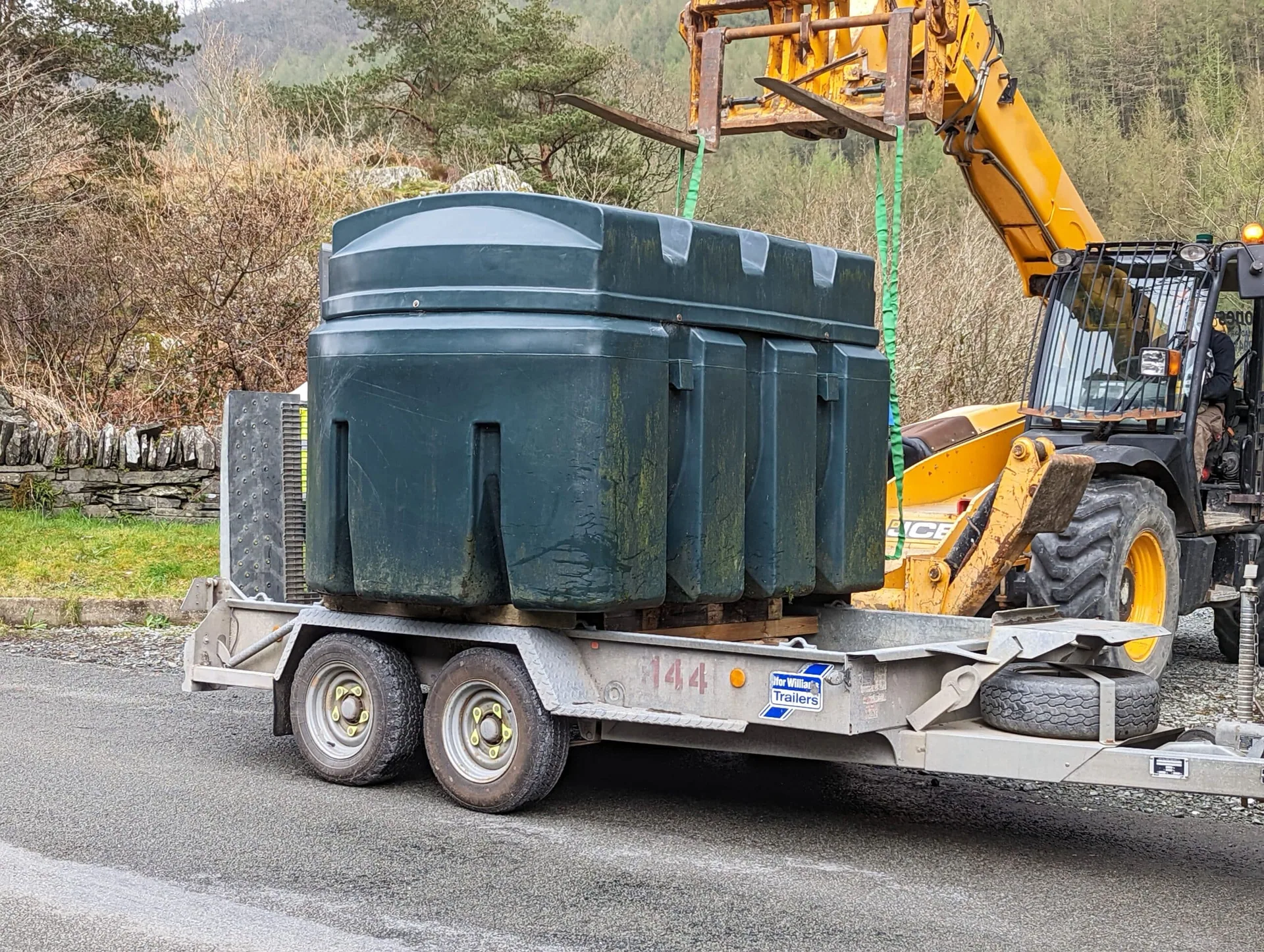
Replace an Aging Oil Tank on Your Own Schedule
A rusty or buried tank is easier to handle before it leaks than after. Get a straight answer about its condition from a licensed local team that works with oil heat every day.